
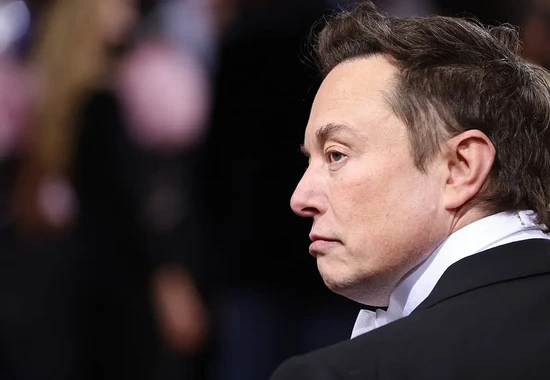

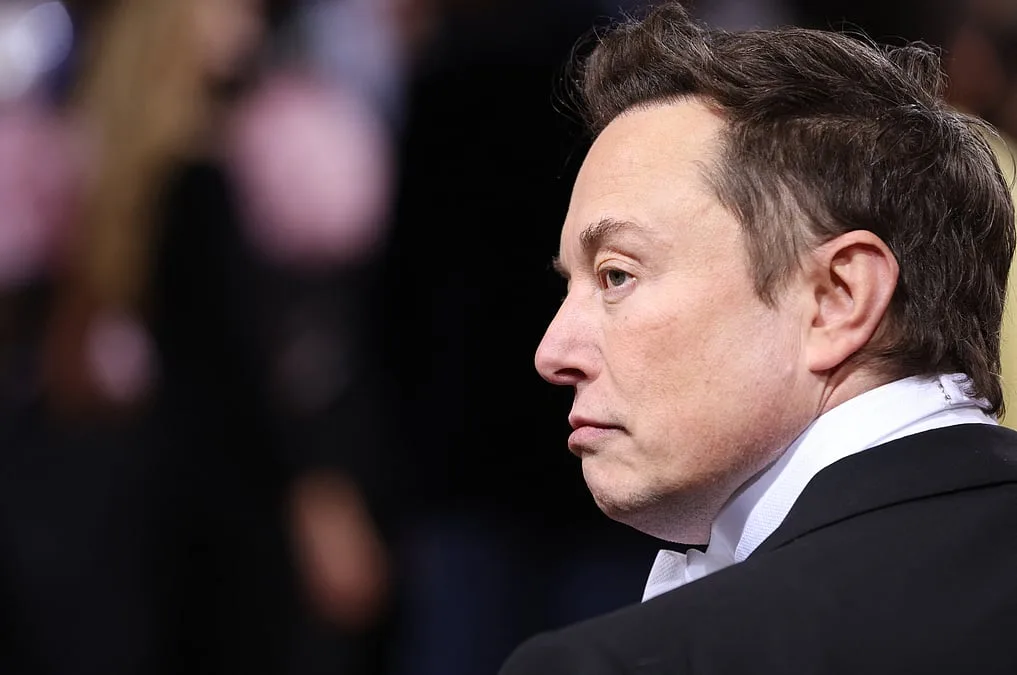
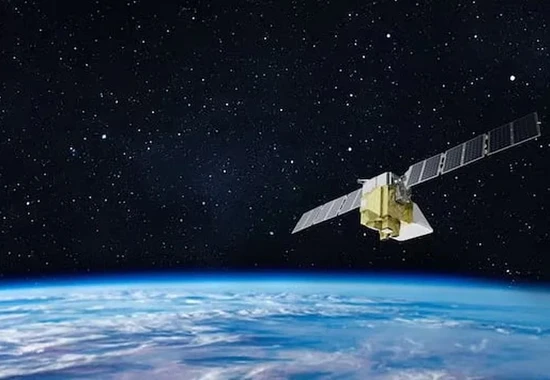
SpaceX's Starlink is facing serious complications in rolling out satellite internet service in India, and Tesla chief executive Elon Musk has directly blamed Indian industrialist Mukesh Ambani for the delay. The standoff between the two prominent tech entrepreneurs — rooted in corporate rivalry and government policy-making — has drawn widespread international attention.
In a sharply worded post on X, Musk took aim at the Reliance Industries chairman over the prolonged process of launching Starlink in India, mockingly referring to Ambani as the country's prime minister. He alleged that Ambani is using his influence over the government to protect monopoly business interests and to keep Starlink from surviving the competition. Musk argued that the obstruction is hurting efforts to bring internet connectivity to India's remote areas and to help small businesses grow.
Musk had earlier claimed that unknown influential investors were blocking Starlink's approval to protect their own businesses. India's Ministry of Communications, however, flatly rejected the accusation. Alongside Starlink, ventures such as Jio and Airtel are also seeking to launch satellite internet in India, and every licensed operator — Starlink included — must go through the same security assessments under the rules.
SpaceX has been pushing to launch Starlink in India for a long time and, on the condition of receiving approval, signed agreements with Reliance Jio and Bharti Airtel last year. Yet even after securing the necessary clearances, New Delhi has still not given the final go-ahead to begin commercial operations. On the question of satellite spectrum allocation, Musk's company demanded administrative assignment of spectrum, while Jio wanted it distributed through auction. In the end, the Indian government chose administrative allocation, but Starlink's operations in the country remain impossible to launch because other legal procedures and security clearances are still pending.
Responding to Musk's allegations, India's telecom minister Jyotiraditya Scindia stated clearly that the Indian government does not patronise monopoly dominance or single ownership in any sector. Alongside Starlink, Musk has also faced a range of challenges marketing Tesla's electric cars in India because of high import duties. The episode once again underscores how difficult the path of Elon Musk's commercial expansion in India has become — squeezed between the influence of Ambani's telecom empire on one side and strict administrative policies on the other. (Source: TechCrunch)




No comments yet. Be the first to comment!