
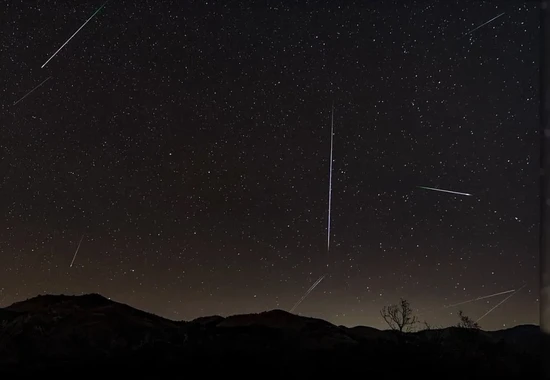


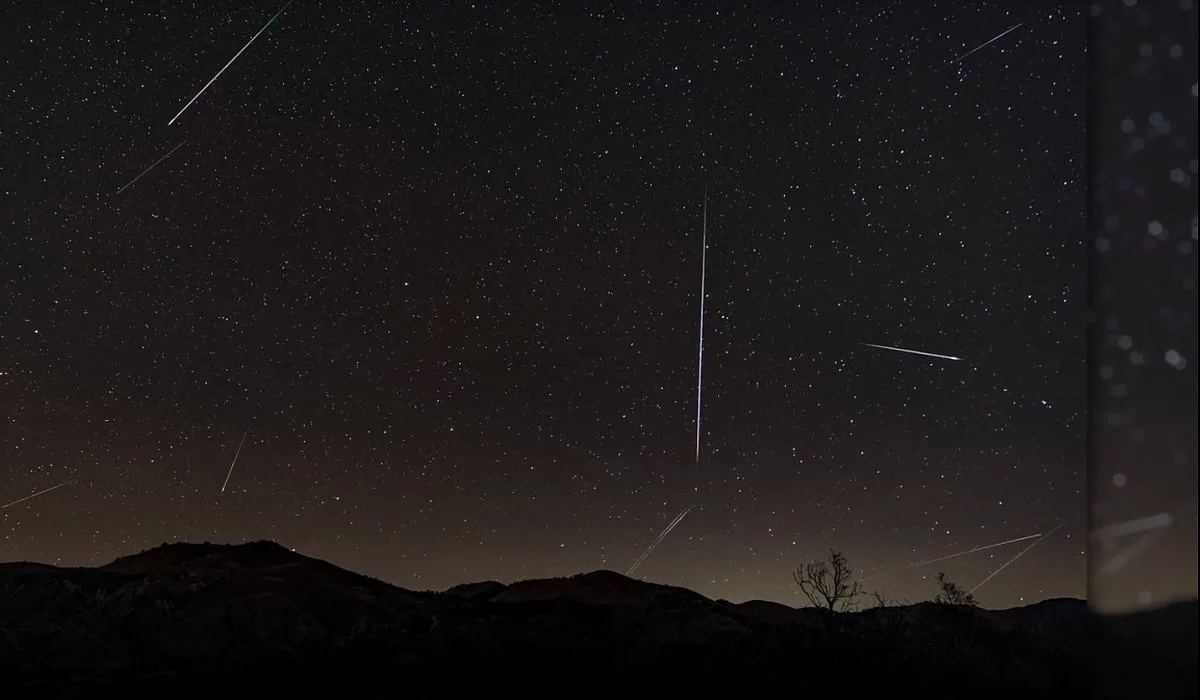
Astronomers often describe meteor showers as cosmic wonders. Every October, Earth travels through the dust and debris shed by the famous Halley's comet, and the result is a beautiful meteor display. The Orionids are one of the highlights of the second half of October, and this year the shower will also be visible from Bangladesh's skies. The peak is expected on the nights of 21 and 22 October.
The shower is created while Earth crosses the debris field left behind by Halley's comet, and observers could see up to roughly 20 shooting stars per hour. Because the meteors appear to spread out from the region of the Orion constellation, the shower is called the Orionids. Halley's comet circles the Sun once every 76 years and will next be visible from Earth in 2061. The Orionids are the year's second meteor shower produced by the comet's remnants; earlier, in May, the Eta Aquariids shower had appeared.
According to experts, the best time to watch is between midnight and dawn on the night before 22 October — that is, the night of 21 October. Under ideal, dark skies, between 10 and 20 meteors per hour may be visible during this window. However, the Moon will be about 74 per cent illuminated, and its bright light could hide the fainter meteors for much of the night. Fortunately, once the Moon's glow fades, the few hours just before dawn should offer wonderfully dark skies, allowing the shower to be enjoyed in full.
No special equipment is needed to watch the Orionids; clear skies and an open area are enough. The meteors will appear to originate near Betelgeuse, the red giant star in Orion. For the best view, head to a quiet spot away from bright lights, and give your eyes 20 to 30 minutes to adjust to the darkness. The ancient particles of Halley's comet enter Earth's atmosphere at about 147,600 miles per hour, vaporizing on contact and creating a glittering display that resembles natural fireworks. Source: Space.com
This article was adapted from a report originally published by Prothom Alo. Republished by TechLife Team.








No comments yet. Be the first to comment!