
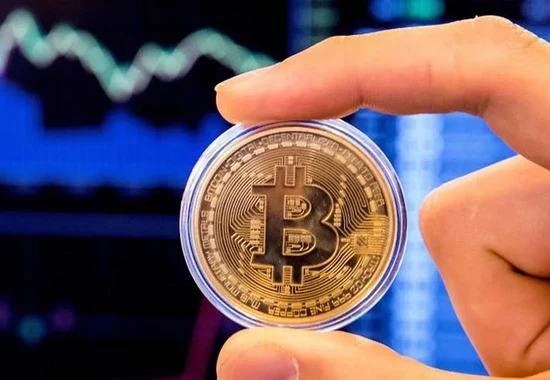


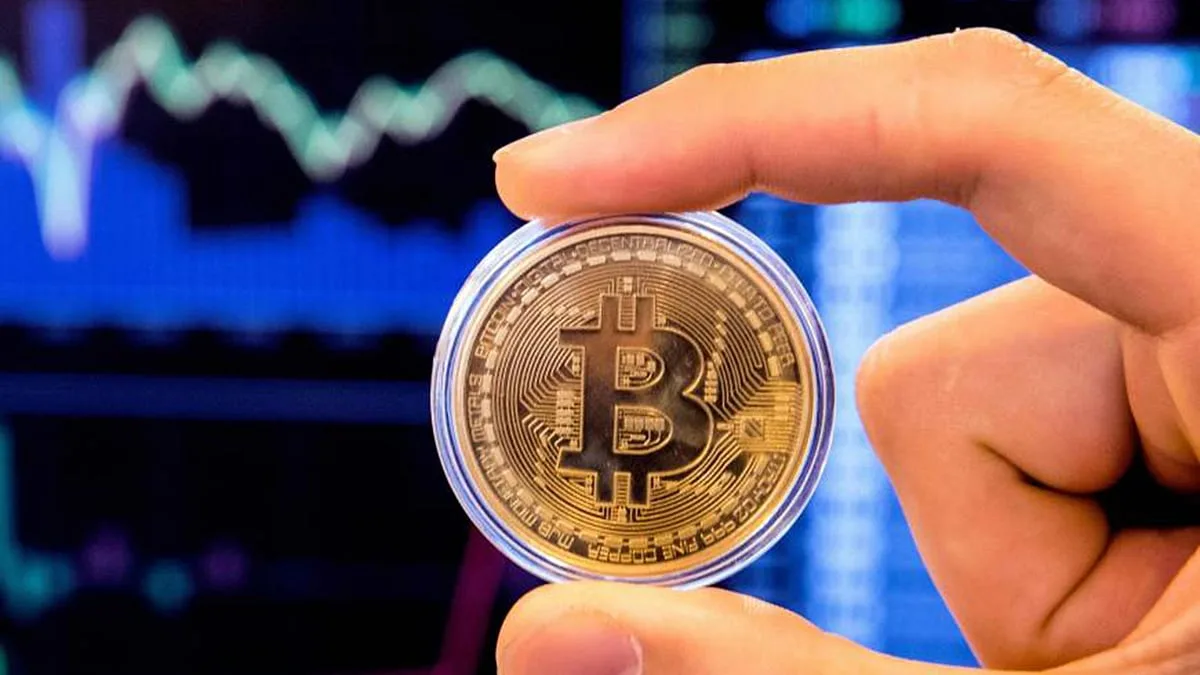
Cryptocurrency use is officially banned in Bangladesh, yet reliance on these digital and virtual currencies keeps growing. Blockchain analytics firm Chainalysis recently published a report on global cryptocurrency adoption trends after analyzing data from 117 countries.
According to "The 2026 Geography of Cryptocurrency Report," Bangladesh ranks 56th in the world in grassroots-level cryptocurrency usage this year. Among neighboring countries, India is placed 6th, Pakistan 25th, and Sri Lanka 82nd. Last year, Bangladesh stood 13th on the global cryptocurrency adoption list.
The report notes that the crypto economy has recovered from the downturn that followed 2022. While the total cryptocurrency market capitalization fell by roughly 50 percent, or $2.1 trillion, on-chain economic activity dipped only 1.6 percent, from $9.5 trillion to $9.4 trillion. This year's country ranking is based on four components: service flows, domestic peer-to-peer activity, cross-border transactions, and on-chain balances.
Brazil leads in grassroots cryptocurrency adoption. With an economy equivalent to $252.5 billion, Latin America's largest crypto market is ahead in every index metric. The report covers the period from July 1, 2025 to June 30, 2026. During this time, Bitcoin reached an all-time high in price, then faced the biggest dollar-value decline in its history, falling as much as $67,000 from its peak. Globally, the crypto economy — combining service inflows, domestic peer-to-peer activity, and cross-border transfers — declined just 1.6 percent compared with the previous period.
In Bangladesh, cryptocurrencies such as Bitcoin, Ethereum, Ripple, and Litecoin are used for various transactions. A 2023 report by World Population Review claimed that 4.3 million people in Bangladesh use cryptocurrency. Virtual currencies are not issued by any country's legitimate authority, so no financial claims against them are recognized, and their transactions are not approved by Bangladesh Bank or any other regulator.
Professor Md. Mohiuddin of the Institute of Business Administration (IBA), University of Dhaka, said cryptocurrency or digital currency transactions are not legal in Bangladesh, with strict prohibitions from the central bank and the government. However, Chainalysis's index does not analyze official or legal recognition; the report examines how much real transaction activity occurs among ordinary people at the grassroots level in each country. Despite government restrictions, users continue using crypto informally, which the report captures.
The report does not simply total up each country's transaction volume. Measurements are normalized by per-capita GDP, so a developing or low-income country can rank much higher even with comparatively smaller transaction volumes. That is why an emerging economy like Bangladesh sits fairly high on the index. For people in the developed world, crypto is largely an alternative investment or a technological asset, but in South Asian countries it often serves as a way to overcome various economic constraints.
Informal use of crypto and stablecoins is rising as a means for freelancers to receive payments, avoid the complications of international trade, and transfer value easily. Even with institutional or bank-based channels closed, people transact crypto through peer-to-peer networks, decentralized exchanges, and other channels outside the official sector. In emerging markets facing inflation and economic uncertainty, grassroots-level transactions continue.
Source: Chainalysis







No comments yet. Be the first to comment!