


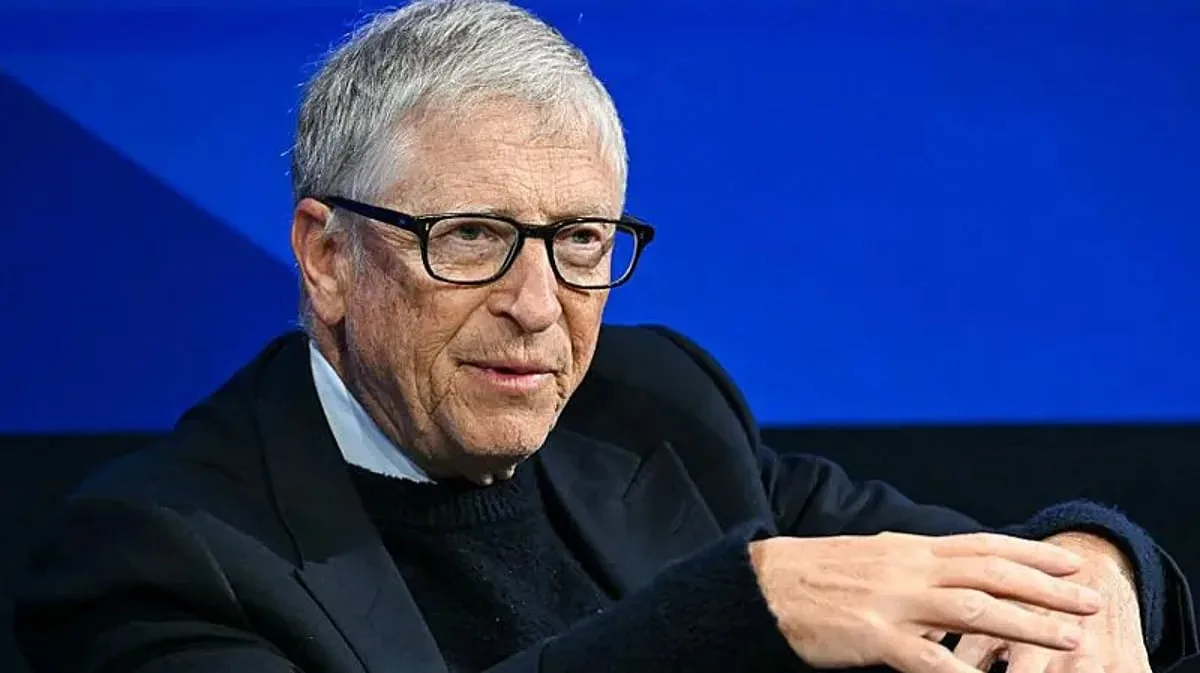
Artificial intelligence is set to usher in sweeping changes in the years ahead, yet humanity is not prepared for them, Microsoft co-founder Bill Gates has warned. These shifts, he cautioned, could profoundly reshape jobs, government, business, and even human relationships, urging the world to begin preparing now to keep pace with AI’s rapid transformation.
In an essay titled “The Turbulent AI Era Is Here: The Choices We Make Now Are Critical,” Gates outlined three major risks accompanying AI’s transformation, the first being job losses. He stressed that AI will not affect a single sector in isolation; it will sweep across fields such as law, customer service, medical science, software, and manufacturing. Rather than over several generations, these industries will feel the impact within as little as a decade. This transition into the AI era will rank among the most turbulent periods in human history, one for which society is unprepared.
According to Gates, entry-level and mid-level jobs face the greatest risk in an AI-driven world, while many newly created roles will demand a different set of skills. AI is expected to make its mark across a broad range of industries, including sales and customer support, software engineering, legal work, law, medical science, and manufacturing. Some new jobs will emerge, but without the right policies in place, they are unlikely to be as numerous as today’s count.
Gates believes the impact will not be confined to cognitive work. By the end of this decade, intelligent robots could begin competing with humans in certain physical roles, such as those in the hospitality sector. It is this very pace of change that makes the future especially worrying. Rather than spanning generations, these industries will be disrupted within roughly a decade. As AI grows more capable, young workers may find it harder to secure their first opportunity, meaning fewer chances to learn from experienced colleagues and build expertise.
The second concern Gates raised is how AI could amplify today’s digital threats. He pointed to risks such as fraud, deepfakes, misinformation, and more. cyberattacks, which may become harder to contain as AI advances. He also fears powerful AI systems may be put to dangerous use by governments, warning that malicious individuals and groups will gain access to powerful new tools.
Gates does not advocate slowing AI down. He believes the technology can deliver major benefits everywhere, from assisting doctors and teachers to improving the quality of government services. However, he emphasized that policymakers must adopt clear plans to handle the worst-case scenarios of the future.
He also called on governments across the globe to work together on issues such as employment, education, healthcare, tax systems, energy, and national security. Under his proposed “human reserved” concept, certain roles and areas would be kept for humans—particularly ones requiring empathy and human connection. Meanwhile, he proposed taxing AI tokens and robots to finance rehabilitation and support funds for workers disrupted by automation.
Source: India Today








No comments yet. Be the first to comment!