



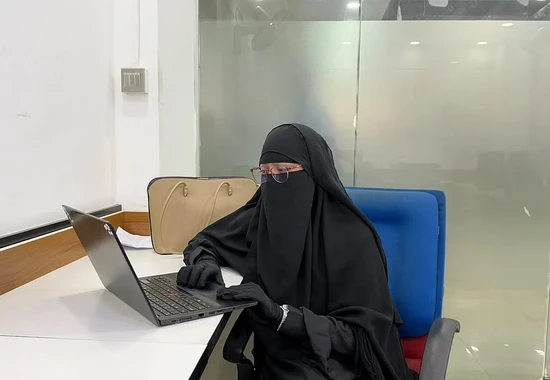
Bangladesh is moving forward with a major initiative to strengthen its digital economy, as the government takes effective steps to launch the globally recognized online payment gateway PayPal in the country. Alongside this, a comprehensive plan has been announced to issue official ID cards to 200,000 freelancers over the next five years, aiming to formalize and empower the country’s rapidly growing freelancing community. The announcement was made on Wednesday (April 22) during a session of the National Parliament. Responding to a written question, Prime Minister Tarique Rahman highlighted several initiatives undertaken under the Information and Communication Technology (ICT) Division to expand employment opportunities through technology. According to the Prime Minister, the government has already formed a dedicated committee to facilitate the launch of PayPal in Bangladesh and ensure smooth operation within the country’s financial ecosystem. The introduction of PayPal is expected to significantly benefit freelancers, IT professionals, and digital entrepreneurs by enabling seamless international transactions—one of the key barriers currently faced by Bangladeshi freelancers. Freelancer Development and ID Card Initiative The ICT Division, through its various departments, has outlined a structured roadmap for workforce development. The Department of ICT plans to train around 1,000 individuals over five years to develop skilled freelancers. More notably, 200,000 freelancers will receive official ID cards within the same period. So far, 7,500 freelancers have already been issued these ID cards, and the program is ongoing. These ID cards are expected to bring recognition, credibility, and access to various government facilities for freelancers, positioning them as a formal workforce contributing to the national economy. Advanced Technology Training Programs The Bangladesh Hi-Tech Park Authority will play a key role in upskilling youth in emerging technologies. In 2026, around 2,400 individuals will receive training in advanced fields such as Artificial Intelligence (AI), Machine Learning (ML), and Virtual Reality (VR). Additionally, 83 services are currently being provided online to accelerate investment and employment, with plans to introduce 10 more services within the next year. Expanded ICT Training and Inclusion The Bangladesh Computer Council is also implementing multiple training programs. Over the next five years, approximately 1,000 undergraduate and graduate students will receive training under the ITEE (Information Technology Engineers Examination) program. Furthermore, 5,020 job seekers and students will benefit from short-term courses in AI, mobile app development, Python programming, data analytics, and cybersecurity, along with one-year diploma and postgraduate diploma programs. Inclusive initiatives are also underway. Around 700 individuals with special needs are being provided with basic computer training to support self-reliance, while another 700 women entrepreneurs are receiving skill development training under the Women in ICT Frontier Initiative (WIFI). Currently, 300 students from 15 universities are undergoing ITEE training in the April 2026 session. A Major Boost for Bangladesh’s Digital Future This combined effort—introducing PayPal, expanding ICT training, and formalizing freelancers—marks a significant step toward building a digitally empowered workforce in Bangladesh. With freelancing already contributing significantly to the economy, these initiatives are expected to unlock new opportunities, attract foreign earnings, and position Bangladesh as a competitive player in the global digital marketplace.
PayPal Set to Launch in Bangladesh; 200,000 Freelancers to Receive ID Cards
Bangladesh government plans to launch PayPal and issue ID cards to 200,000 freelancers while expanding ICT training and employment opportunities nationwide.

Tags:
#Freelancing







No comments yet. Be the first to comment!